Introduction
It is time for a history lesson. In our opinion it is really important to know the origins of the things in order to appreciate them a little bit more. So in this article we are going to give you a bunch of history poins for you to see and understand the history of 500 series format and how 500 came to life!
Let’s consider the theory that the incredible flexibility we enjoy in modern studios began with a single innovation in the 1970s. Many say the rise of the 500 Series format was pioneered by API and forever changed how we approach analog audio processing. But was it just clever engineering or something more? If we trace the origins and evolution of these modular marvels, we might be surprised at what truly sparked this revolution.
Key Takeaways
- The 500 Series format was introduced by API in the 1970s to provide modular, customizable studio processing in a compact chassis.
- Standardization of the 500 Series allowed modules from different manufacturers to be used interchangeably in any compatible rack.
- Iconic modules like the 512c preamp and 550a EQ set new standards for analog sound quality and flexibility.
- The format’s popularity declined during the digital boom of the 1990s but revived in the 2000s due to renewed interest in analog gear.
- Ongoing technological innovations have expanded module choices, improved reliability, and made modular audio processing more accessible and versatile.
Origins in the 1970s: API and the Lunchbox Birth
While the recording industry was rapidly evolving in the early 1970s, API introduced a modular approach that would transform studio workflows. Visionaries like Saul Walker acknowledged the need for greater flexibility and customization in audio equipment.
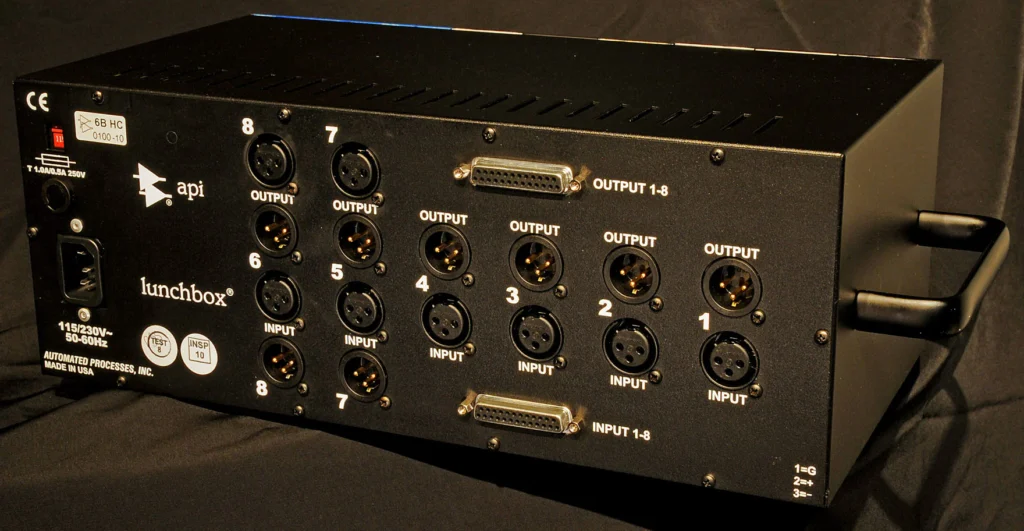
Instead of locking us into a single design, API’s modular concept lets us experiment and adjust, something any innovation-minded creator can appreciate. By the mid-1970s, we saw the birth of the iconic Lunchbox, a compact chassis designed to house and power individual API modules.
This bold move allowed us to mix, match, and transport high-quality analog processing without the constraints of traditional consoles. The modular vision not only fueled creative freedom but also set the stage for the next generation of studio technology.
The API 500 System Emerges
As the industry embraced modularity, we witnessed the API 500 system taking shape as a standardized platform for audio processing. This pivotal moment saw API Audio, then known as Automated Processes Inc. push forward with a vision that would redefine our workflows.
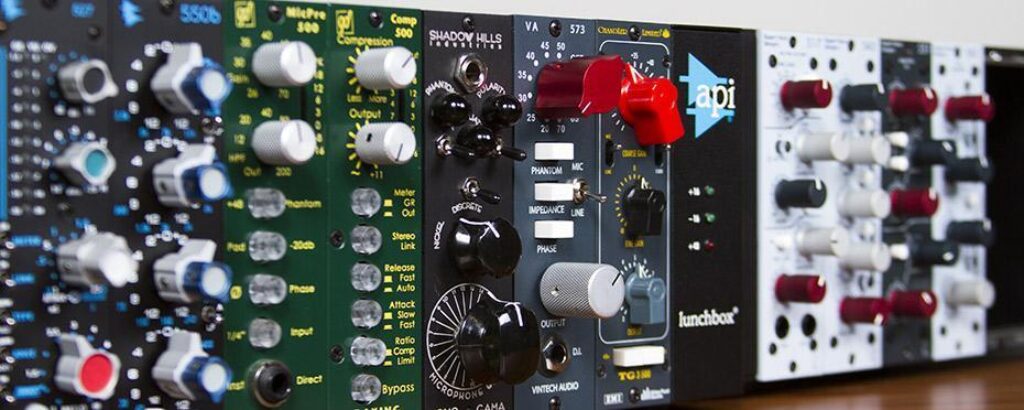
By introducing the 500 series format, they gave us the freedom to mix and match modules within a compact, rack-mountable “lunchbox” enclosure. Suddenly, engineers and producers weren’t tied to bulky, monolithic consoles but could customize signal chains with unprecedented flexibility.
The API 500 system’s modularity encouraged a culture of creativity, letting innovators experiment with new combinations and sonic textures. As a result, the 500 series quickly caught on, becoming a cornerstone for those who valued versatility and forward-thinking audio solutions.
Technical Innovations of the Era
How did the 500 series format achieve such widespread influence? It’s all about bold technical innovation.
The original API consoles brought a modular signal path to the forefront, letting us swap preamps, EQs, and compressors in and out without rewiring. This flexibility sparked a revolution.
Central to the design was the legendary 2520 op-amp, delivering clarity and punch. The adoption of a standardized 16 volts power rail guaranteed consistent, reliable operation across all modules.
Later, the VPR Alliance unified third-party development, guaranteeing compatibility for a rapidly growing ecosystem.
This open, modular approach didn’t just save space, it liberated creativity, letting us tailor our signal chains like never before. These technical advances set the stage for the 500 series’ global impact.
API’s Golden Age: Defining Studio Sound in the 70s and 80s
Even before the 500 series format became a studio staple, API consoles had already started shaping the sound of modern music. When we think back to the 70s and 80s, it’s clear how API’s pioneering approach to analog technology set them apart.
Their mixing console designs, especially the discrete op-amp circuits, brought a punchy clarity and depth that artists and engineers craved. While Neve also held a legendary status, API’s engineering inspired a different sonic signature – tight, aggressive, and unmistakably forward-thinking.
As demand for flexibility grew, engineers and producers began pulling out individual API 500 series modules, eager to experiment and innovate outside the traditional console. These modules became the heart of creative workflows, fueling groundbreaking records and redefining what analog sound could become in modern studios.
Dominance in Recording Consoles
While other console manufacturers competed for attention, API quickly established itself as a benchmark for professional recording desks. We saw how API’s modular console design transformed studios, allowing engineers to swap, upgrade, or repair console components without downtime.
This approach wasn’t just practical, it set a new standard for flexibility in recording consoles. The innovation behind the 500 series format created a foundation for scalable and customizable workflows, and it’s no surprise that this modularity inspired the now-iconic API Lunchbox.
Module Highlights and Proliferation
Curiously, which modules first captured our attention and why did they become so influential? The API 512 preamp and 550A EQ were true standouts, setting a high bar for flexibility and sound quality. These 500-series modules delivered professional-grade processing in a compact, modular format, sparking a revolution among audio innovators.
As we delved into the possibilities, the ability to swap modules seamlessly within a single chassis became a defining advantage.
Soon, a wave of manufacturers of 500 modules joined the movement, each offering fresh designs and sonic signatures. This proliferation expanded creative options and encouraged competition, driving innovation at every turn.
Dormancy and Revival: The 1990s to Early 2000s Slump
After the initial surge of innovation and widespread adoption, the 500 series market faced an unexpected slowdown in the 1990s. As digital technologies began to entice the professional audio world, demand for modular analog gear dwindled.
Many of us watched as 500 series racks sat dormant in studios, and modules from API became harder to find. The ecosystem that once fueled creative experimentation seemed to pause, with few new developments or manufacturers entering the scene.
However, this dormancy didn’t last forever. By the early 2000s, a growing appreciation for analog warmth and flexible signal chains sparked a revival.
Engineers and innovators rediscovered the advantages of the 500 series format, breathing new life into modular workflows and reigniting interest across the professional audio terrain.
Decline in the Digital Era
How did the rapid rise of digital audio technology reshape the terrain for the 500 series format? As we embraced the digital era, our approach to signal processing and studio workflows shifted dramatically.
Suddenly, audio interfaces became more powerful and affordable, offering integrated preamps and flexible routing. With plugins replicating analog classics, the need for a physical 500-series processing chain seemed less urgent.
Compatibility also became an issue; digital workstations and USB connectivity prioritized ease of use over analog integration. We found ourselves choosing efficiency and recall over the tactile, modular experience of 500-series gear.
In this climate, hardware modules appeared cumbersome and less suitable to fast-paced digital production, leading many to question their relevance in modern studios.
The Renaissance Sparks
Even as digital technology dominated the industry, we started to notice a renewed fascination with analog sound and hands-on gear. Creators like us craved the tactile response and sonic character that only analog could provide.
This shift sparked interest in the modular flexibility of the 500-series lunchbox. Many companies acknowledged this hunger for innovation and began refining the 500-series concept.
They introduced new 10-slot configurations and developed advanced powered racks, pushing the boundaries of what was possible in portable analog setups. These developments gave us unprecedented options: modular, scalable, and efficient hardware that fit modern workflows.
We found ourselves at the beginning of a renaissance, where classic tone met cutting-edge design and functionality.
The Modern Explosion: Third-Party Boom and Standardization
With the stage set by renewed interest and innovative designs, the 500-series format quickly caught the attention of a broader community. We saw third-party manufacturers step in, bringing a wave of fresh ideas and creative energy.
Suddenly, modules weren’t limited to a handful of brands. Innovators everywhere began crafting their own takes on classics and introducing bold, new sonic flavors. This push demanded standardization; manufacturers collaborated to guarantee cross-compatibility, making it possible to mix and match modules in any 10-slot chassis with confidence.
The result? A thriving marketplace where choice and flexibility reign. We now have access to an unprecedented diversity of modules, each designed to fit seamlessly into the standardized 500-series modular system, enabling us to shape our sound with greater precision and creativity.
The Growth
As the 500-series format matured, we watched it flourish beyond just preamps and EQs, expanding into compressors, saturators, effects, and even digital modules. This rapid diversification sparked a wave of innovative manufacturers entering the scene, each pushing the boundaries of what a single rack could offer.
With every new module, our creative toolset grew more versatile, and studios, both professional and project, embraced the unprecedented portability and modularity the format promised.
Now, we don’t just fill a rack with “essentials”; we curate an environment tailored to our workflow and sonic ambitions. The growing variety of modules encouraged experimentation, allowing us to swap out flavors and signal chains effortlessly.
Technological Advances
Over the past decade, we’ve witnessed remarkable technological advances reshape the 500-series terrain. Forward-thinking engineers have redefined what a preamp or compressor can do, pushing sonic boundaries within compact modules.
Modern power supply designs now deliver cleaner, more reliable energy, ensuring every module operates at peak performance without noise or instability.
Advances in mounting systems have made installation seamless, offering robust connections and increased modularity for fast swaps and expanded configurations.
Manufacturers pay closer attention to current draw, optimizing circuitry so even power-hungry modules coexist without compromise.
Iconic 500 Series Modules That Shaped History
While the 500 series format has welcomed countless innovations, certain modules have become genuine landmarks in audio history. Let’s start with the legendary 512c mic preamp. Its transparency and punch have set the standard for countless studios.
The 550a equalizer brought surgical tone-shaping to the rack, giving us precision and warmth in a compact form. Next, the 525 compressor stands out with its punchy, musical dynamics control, ideal for those of us seeking character without compromise.
The 560 graphic EQ redefined flexibility, letting us sculpt sound with unmatched speed and accuracy. Each of these modules didn’t just push boundaries, they reimagined what’s possible in modular audio gear, inspiring engineers and producers to innovate session after session.
These icons are why the 500 series endures.
Cultural Impact and Industry Legacy
These iconic modules did more than shape sound, they sparked a movement that still echoes throughout the music and audio world. When we look at the legacy of the 500 Series, we see more than just clever engineering; we see the democratization of professional audio gear.
API’s original designs, with their unmistakable EQs and mic preamps, enabled us to customize our studio rack setups in ways previously unthinkable. Suddenly, modularity wasn’t just a concept, it was a revolution, fueling collaboration and experimentation.
Today, producers and engineers expect flexibility and innovation, and that mindset traces directly to these early breakthroughs. The 500 Series pushed us to rethink workflow, sound, and the very role of the studio itself, leaving a lasting cultural and industry imprint.
The Future of 500 Series: Hybrid Horizons
As digital technology continues to evolve, we find the 500 Series at a crossroads, bridging classic analog character with cutting-edge hybrid workflows. We’re entering hybrid horizons where tactile modules integrate seamlessly with digital platforms.
Modern interfaces now allow us to recall settings, automate parameters, and even have real-time emulation of vintage gear, all within a compact 500 Series rack. This collaboration boosts our audio processing options, giving us the warmth of analog and the flexibility of digital.
For those of who are using a remote recording gig, this means we can pack light yet deliver world-class results. The future of the 500 Series is clear: it’s about innovation, versatility, and pushing creative boundaries while honoring the legendary sound that drew us in.
Frequently Asked Questions
Q: What is the 500 series?
A: The 500 series is a modular analog format for preamps, EQs, compressors, and other processors that slot into a shared powered rack or “lunchbox.” It began as a way to make large‑format console channels modular and serviceable, then evolved into a standalone ecosystem that lets engineers build custom signal chains in a compact frame.
Q: When did API introduce it?
A: API developed the original 500‑style modules in the early 1970s as part of their console designs, not as standalone products. The goal was practical: make individual functions like mic preamps and EQs plug‑in units so studios could swap, repair, and upgrade channels without tearing apart an entire desk.
Q: Do 500 modules match full‑rack units?
A: In many cases, 500 modules share the same core circuits, transformers, and op‑amps as their full‑rack counterparts, so the character can be extremely close. Differences usually come from power‑supply design, I/O options, and space‑driven compromises (fewer controls or switches), which can make some 500 versions slightly less feature‑rich even if they sound very similar.
Q: When did the big 500 boom happen?
A: The major boom came in the mid‑2000s, when API re‑popularized the lunchbox and boutique makers started releasing their own compatible modules. At the same time, the rise of serious home and project studios created demand for compact, high‑end hardware, turning the 500 format from a legacy console standard into a fashionable modular platform.
Q: How did it fuel clones?
A: Because the format is standardized, relatively affordable, and widely available, it became a natural vehicle for clones and “inspired by” versions of classic Neve, API, and other designs. Some aim to be historically faithful down to component choices, while others adapt the circuits to fit the size and power limits of the format, prioritizing vibe over one‑to‑one authenticity.
Q: Why do some still prefer full‑rack gear?
A: Full‑rack units can offer more panel space, bigger power supplies, and additional features like sidechain filters, metering, or multiple I/O paths. Some engineers also trust the ergonomics and perceived robustness of a heavy 19″ box, especially for main vocal chains or mastering, even if the 500 version is cheaper and more flexible.
Q: Will 500 stay the standard?
A: The 500 series has already survived several tech waves, from tape to DAWs to hybrids, so it is likely to remain a staple format for analog processing. Newer designs may add digital control, recall, or networked audio, but as long as engineers want tactile analog hardware in a modular form, the 500 ecosystem will probably keep evolving rather than disappearing.
Conclusion
As we reflect on the journey of the 500 Series, it’s clear we’re not just talking about gear, we’re celebrating a quiet revolution in audio. These little modules, born from necessity and ingenuity, gently nudged studios toward a new era of creativity and flexibility.
While we can’t predict every twist in the road ahead, one thing’s certain: the 500 Series isn’t fading into the sunset anytime soon. It’s simply getting ready for its next encore.
Now we can freely say that we touched and gave you some insights on the history of the 500 series format that will give you the appreciation needed. We believe that you’ll love 500 format even more now.