
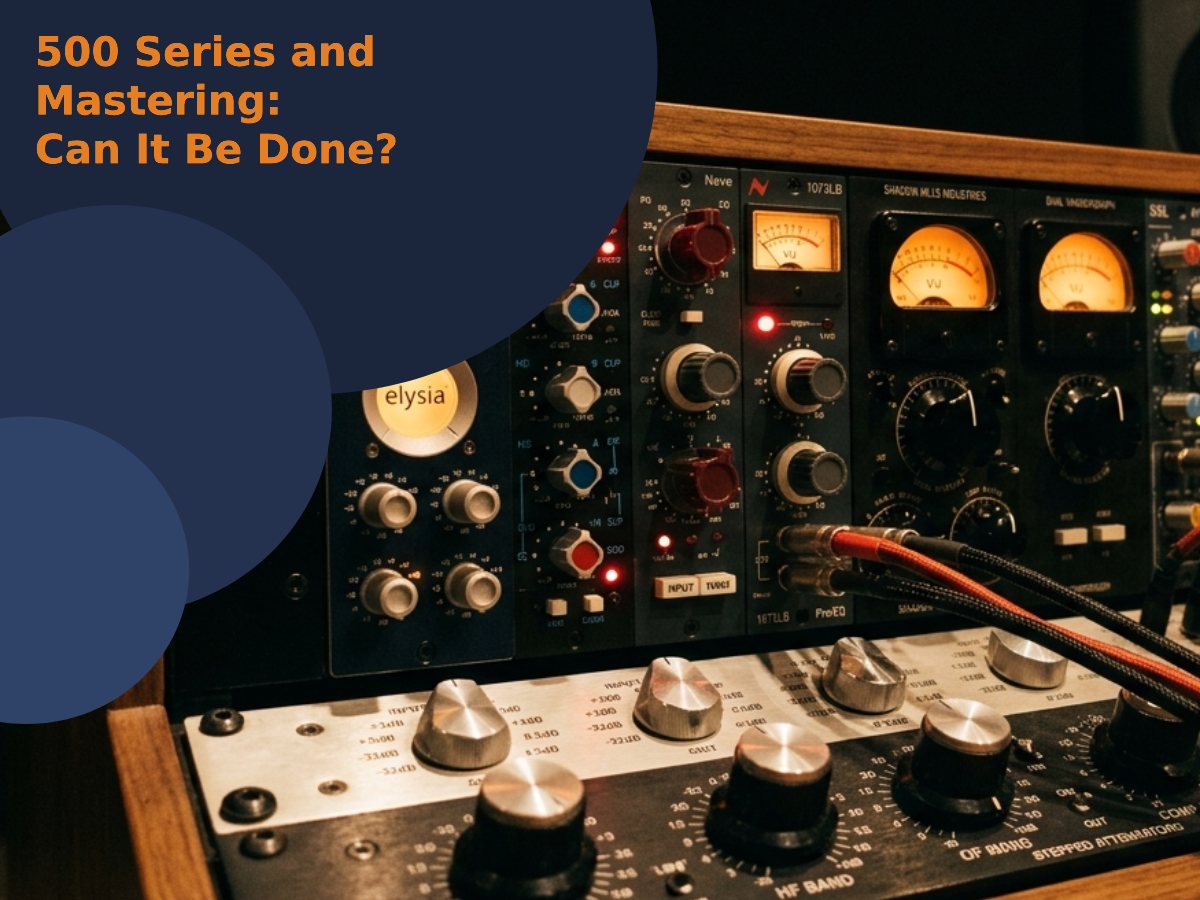
500 Series and MasteringWe've run a dedicated 500 series mastering chain for several years now. The format's low cost-per-unit, hot-swappable signal paths, and strong resale values make incremental chain-building practical.However, shared power rails limit per-slot headroom, compact ...
READ MORE +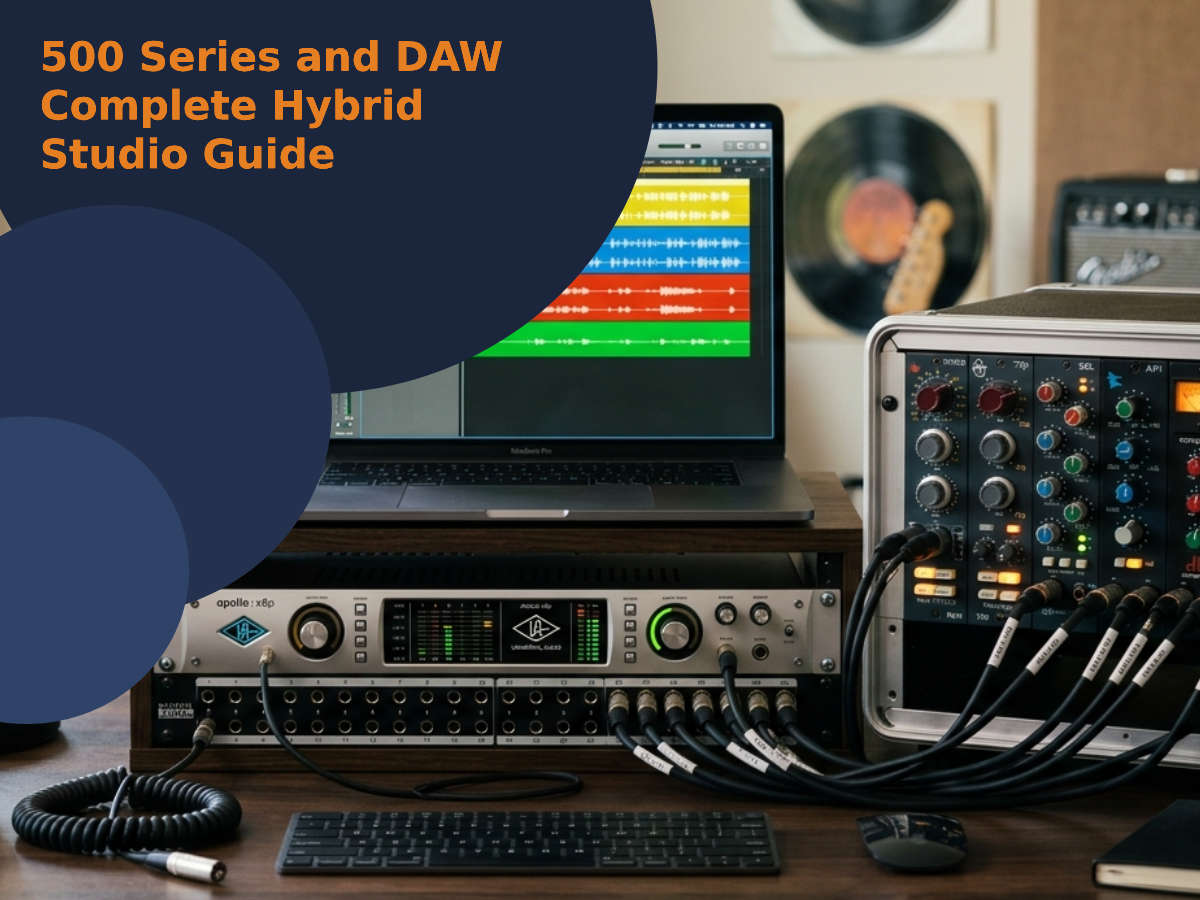
500 Series and DAWBy coincidence, most of us start wiring 500 series gear the same week we notice our interface “line inputs” aren’t really line-level. We’ll treat hybrid mixing like a controlled loop: calibrate levels, verify true I/O, map DAW inserts, and measure round‑trip latency so the ...
READ MORE +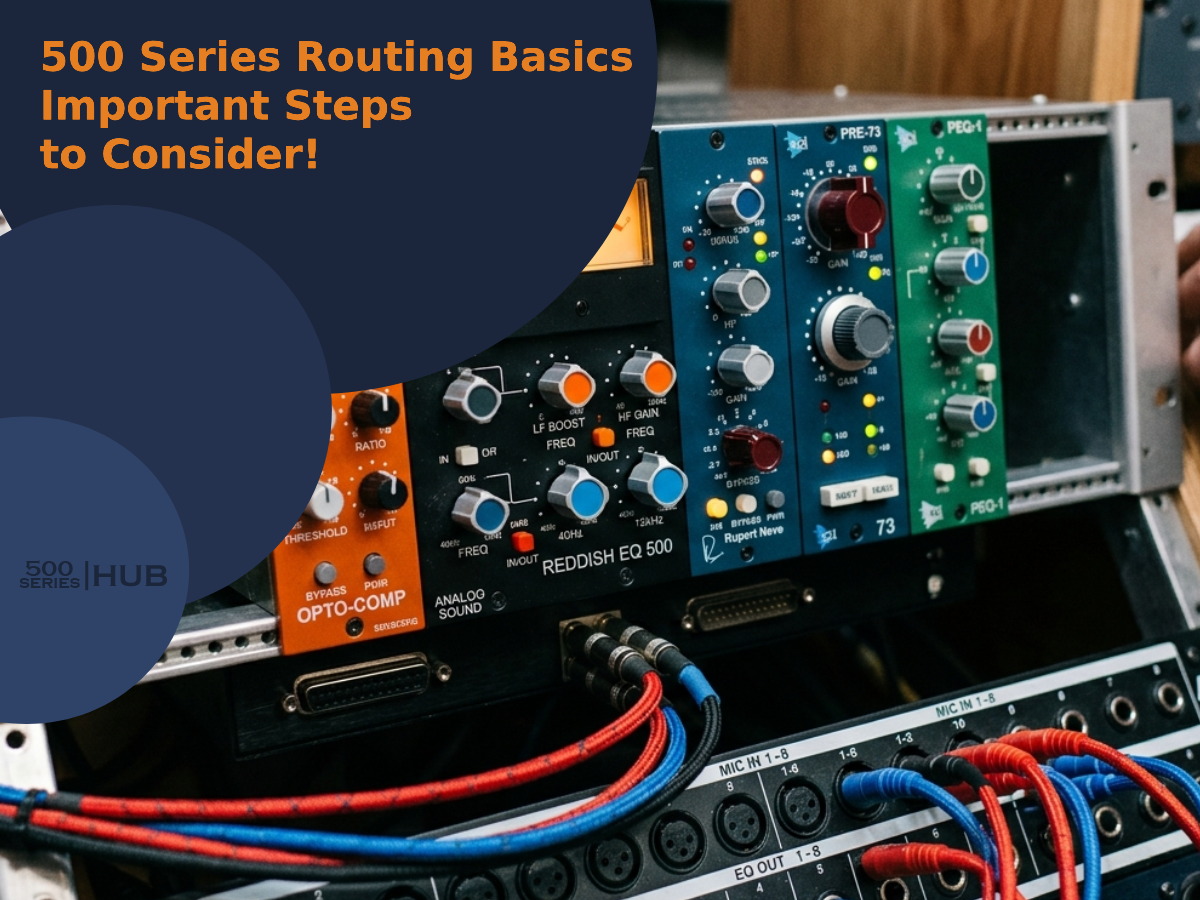
500 Series Routing BasicsEach 500-series slot maps to a dedicated rear-panel I/O pair, typically via DB-25 (TASCAM pinout) or individual XLR and TRS connectors. We route mic-level signals through preamp modules with +48V phantom power, while line-level sources need proper impedance matching. ...
READ MORE +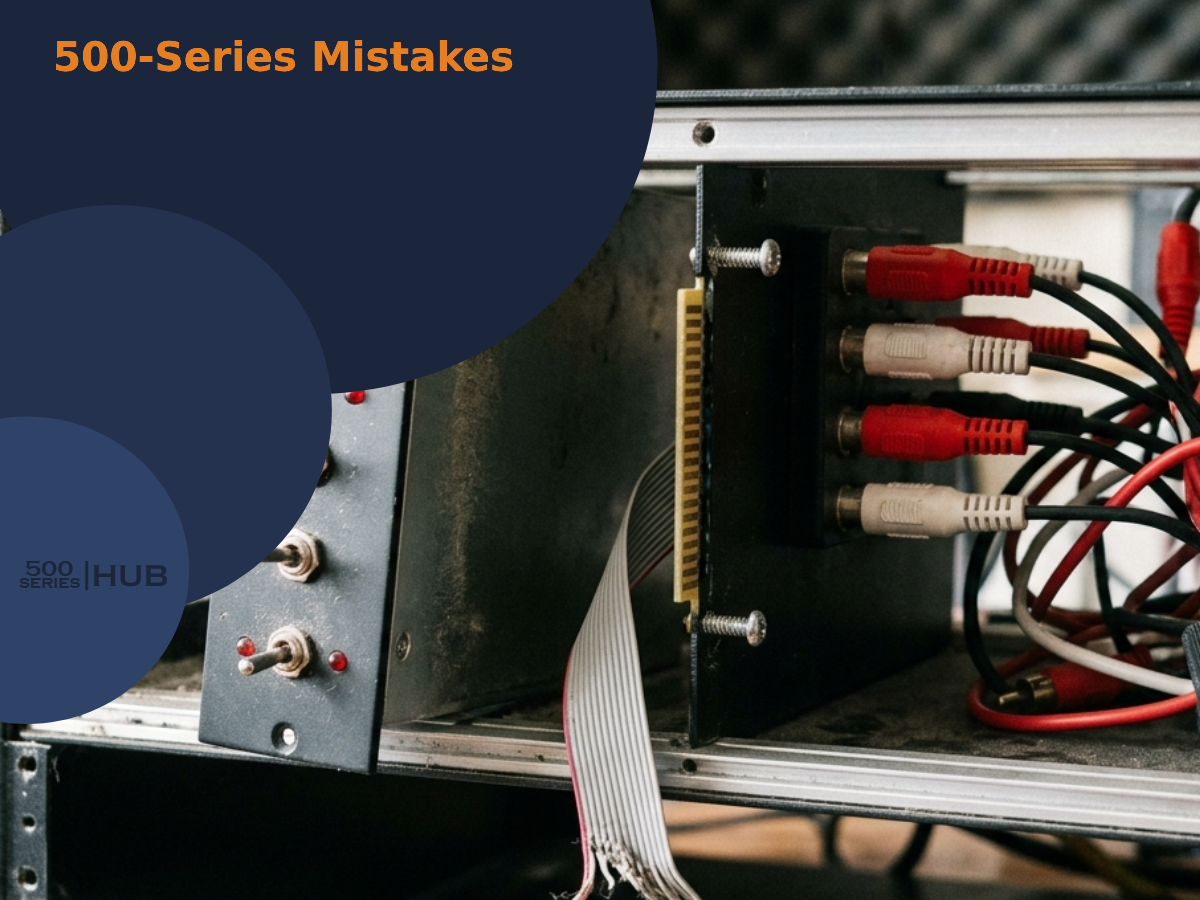
500-Series MistakesThe most common mistakes you'll make with a 500-series rack include choosing a chassis before mapping your modules, overloading the power supply beyond its peak capacity, and ignoring pin compatibility differences between manufacturers.You'll also run into grounding ...
READ MORE +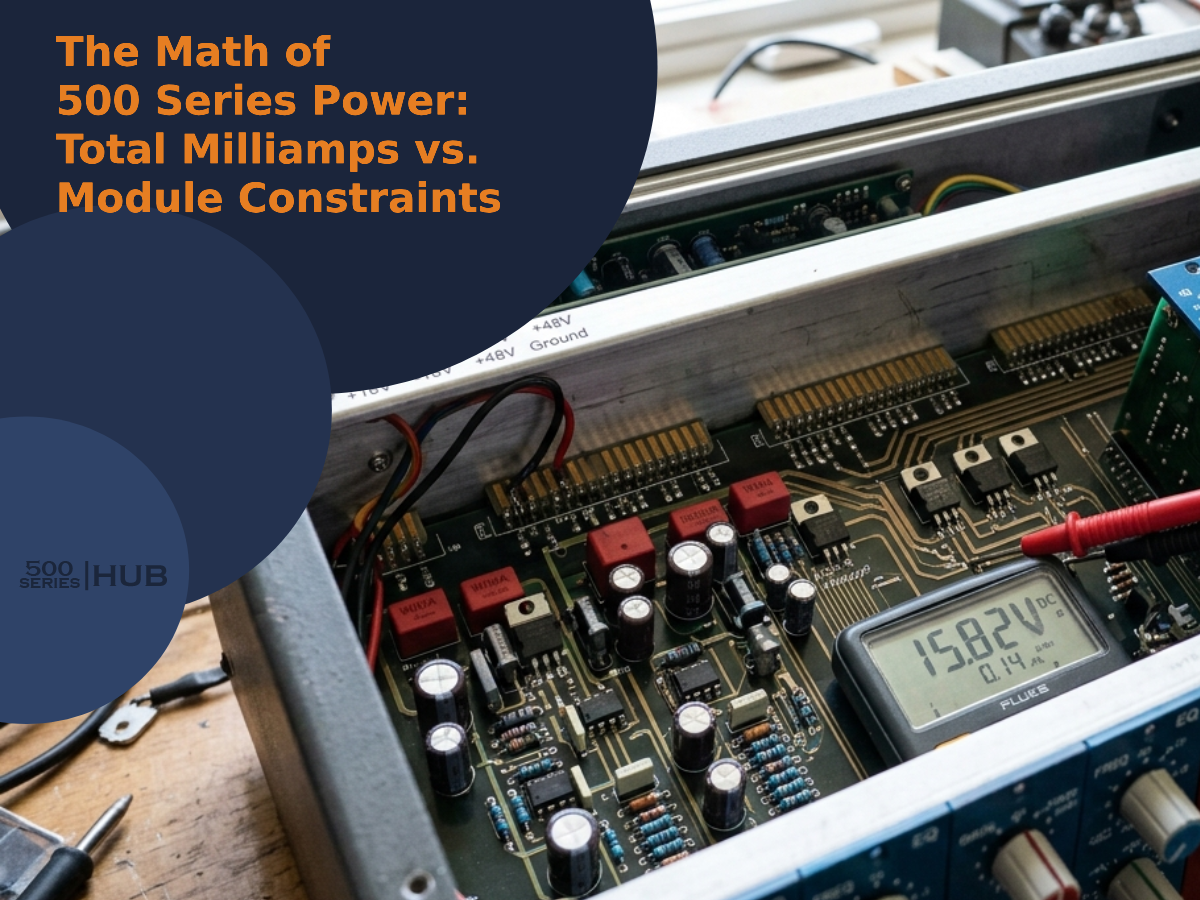
Math of 500 Series PowerPicture a fully loaded 500 Series chassis humming along, until one slot's LED flickers and your signal path turns noisy. We've all assumed total milliamp specs tell the whole story, but they don't.Per-slot current limits, voltage sag under load, and trace impedance ...
READ MORE +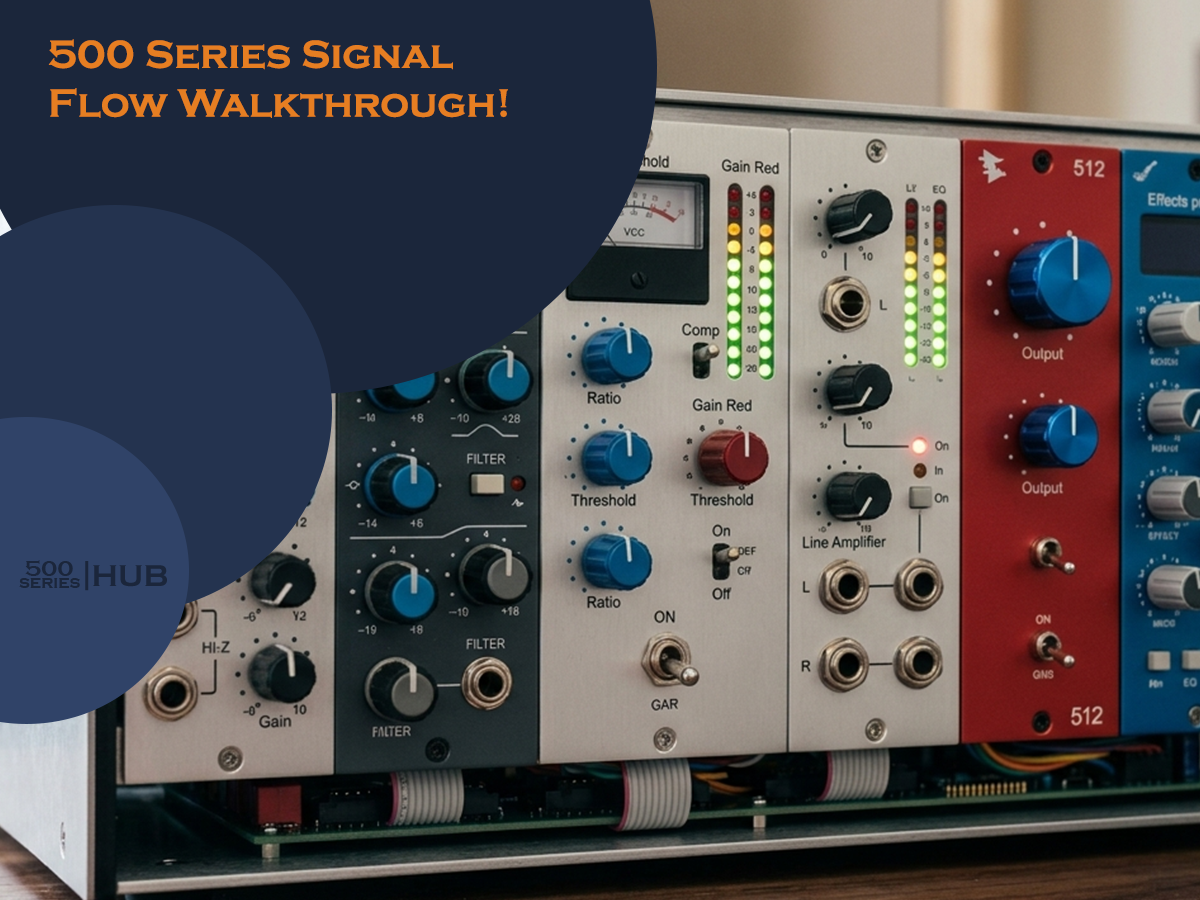
IntroductionIn a 500 series rack, your audio signal enters through the chassis backplane's XLR input pins, passes through gold-plated edge connector contacts, and hits the module's input stage for impedance-matched reception.The module processes the signal, applying gain, EQ, or ...
READ MORE +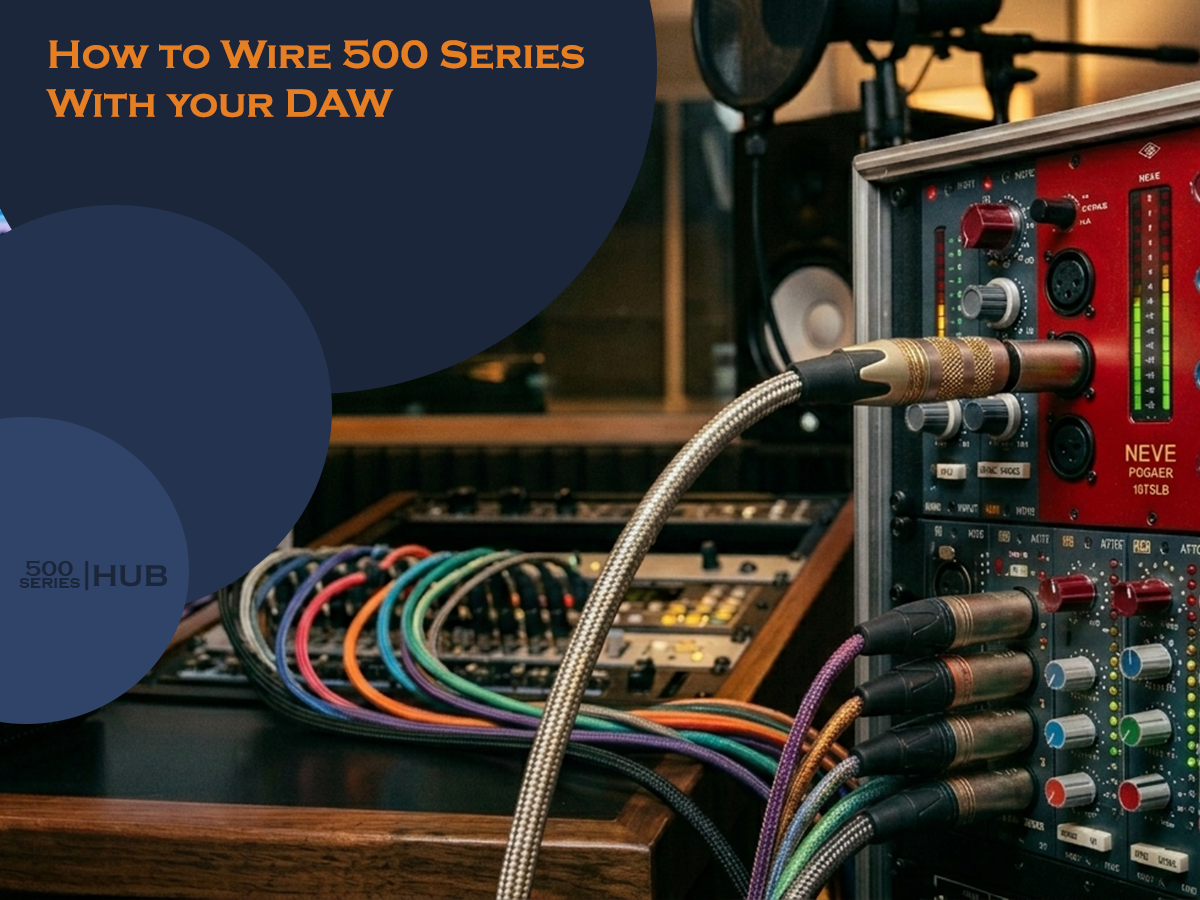
IntroductionMany engineers overlook that improper grounding in a 500 Series setup can introduce noise even if using balanced cables. Wiring a 500 Series rack to a DAW requires precise attention to signal flow: mic > rack input > preamp/EQ/compressor modules > chassis output (TRS/DB25) ...
READ MORE +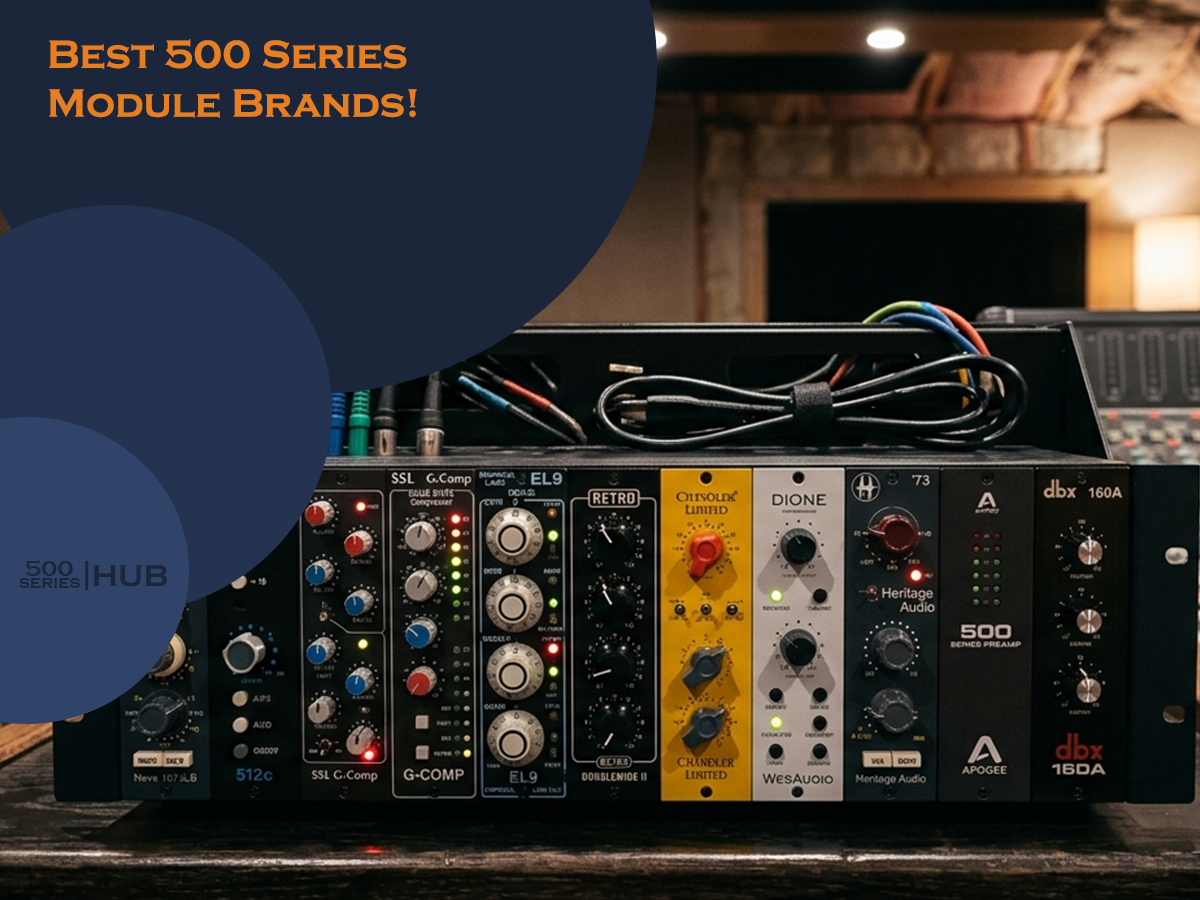
IntroductionWhen we outfitted our studio last year, we faced the challenge of choosing between API’s legendary punch and Rupert Neve’s rich, classic tone. It’s a decision many producers encounter, given how 500 Series modules shape a track’s character.With so many brands offering distinct ...
READ MORE +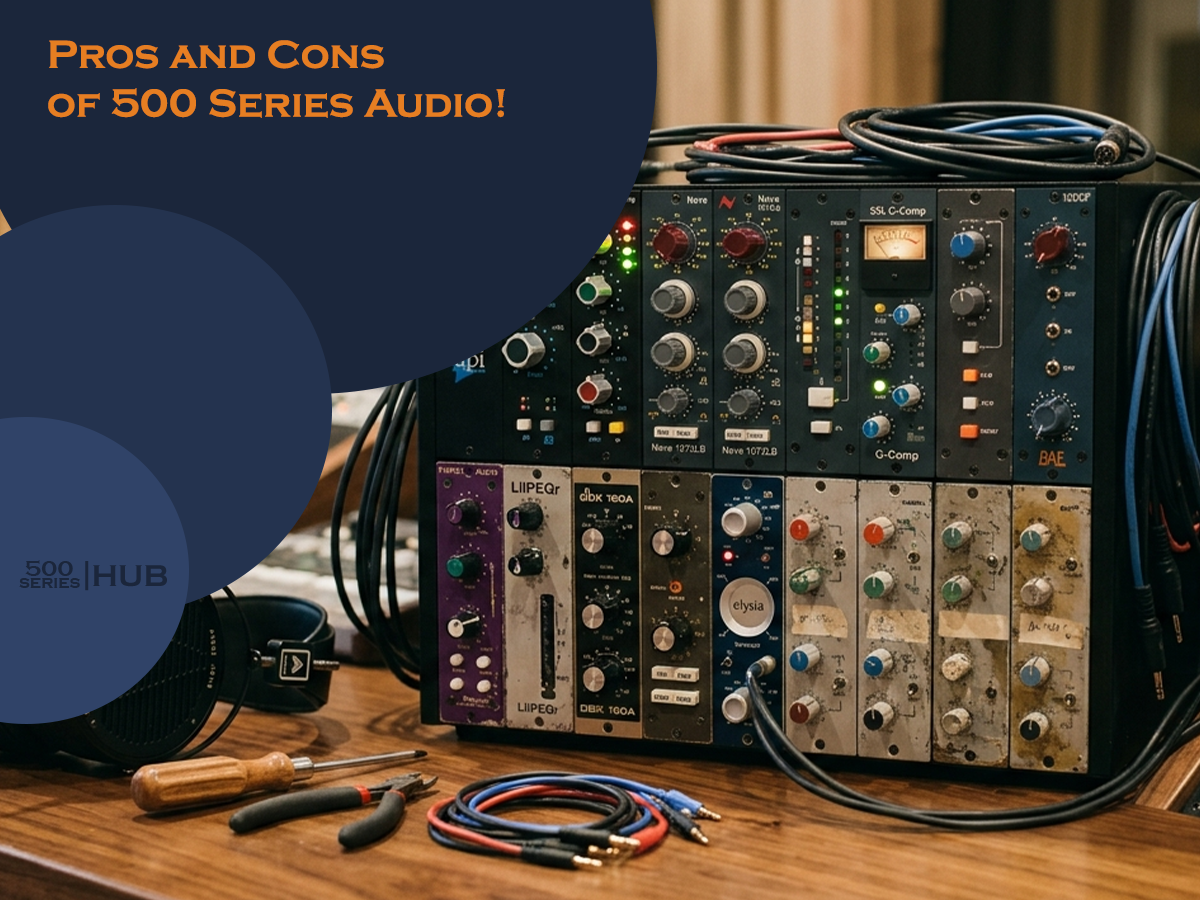
IntroductionExploring the world of 500 Series audio gear is like assembling a sonic toolkit, where each piece brings its own strengths and quirks. We find ourselves drawn to the balance of vintage character and modern flexibility these modules offer.Yet, there are trade-offs; compact ...
READ MORE +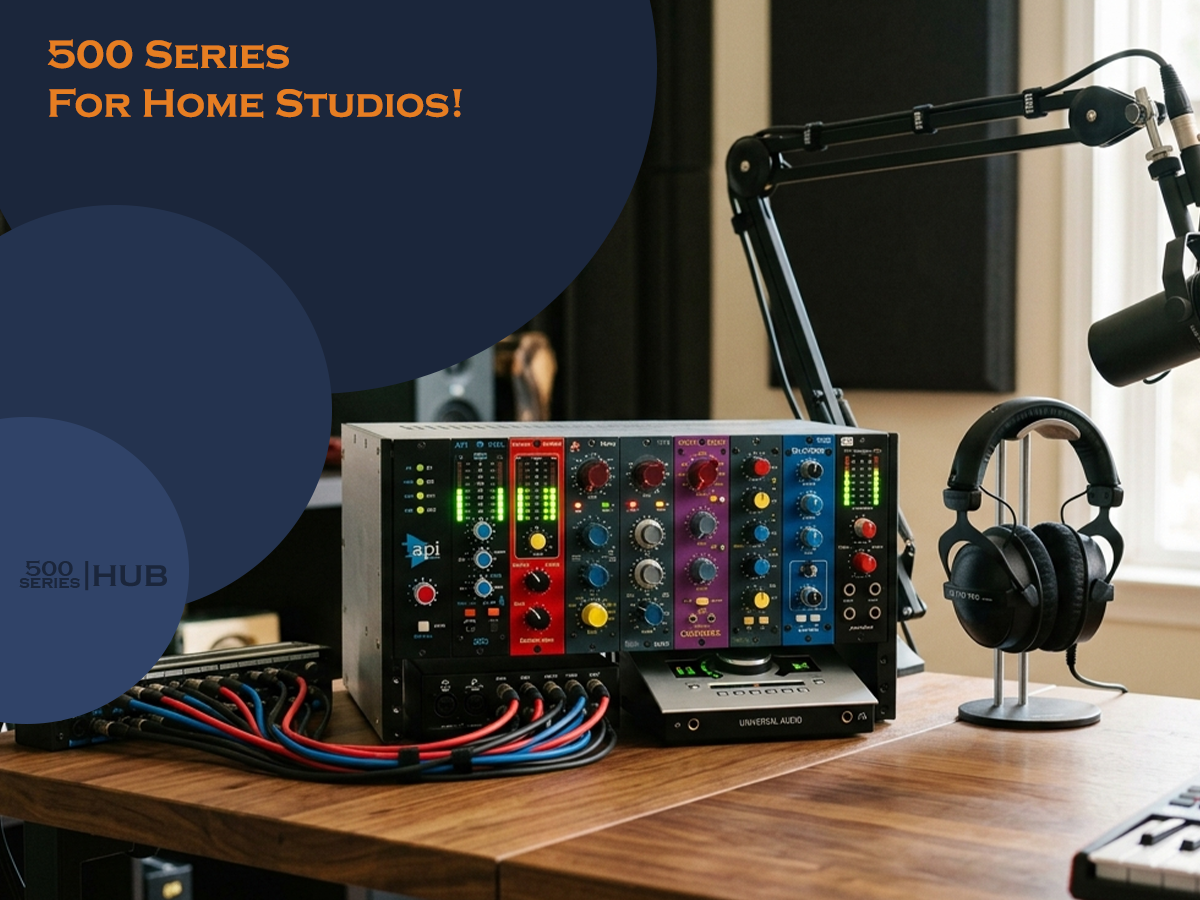
IntroductionWhen we consider integrating the 500 Series into our home studios, we're weighing modularity against workflow constraints and sonic expectations. The format lets us curate robust signal chains like swapping preamps, EQs, and compressors to fit each session’s needs. With ...
READ MORE +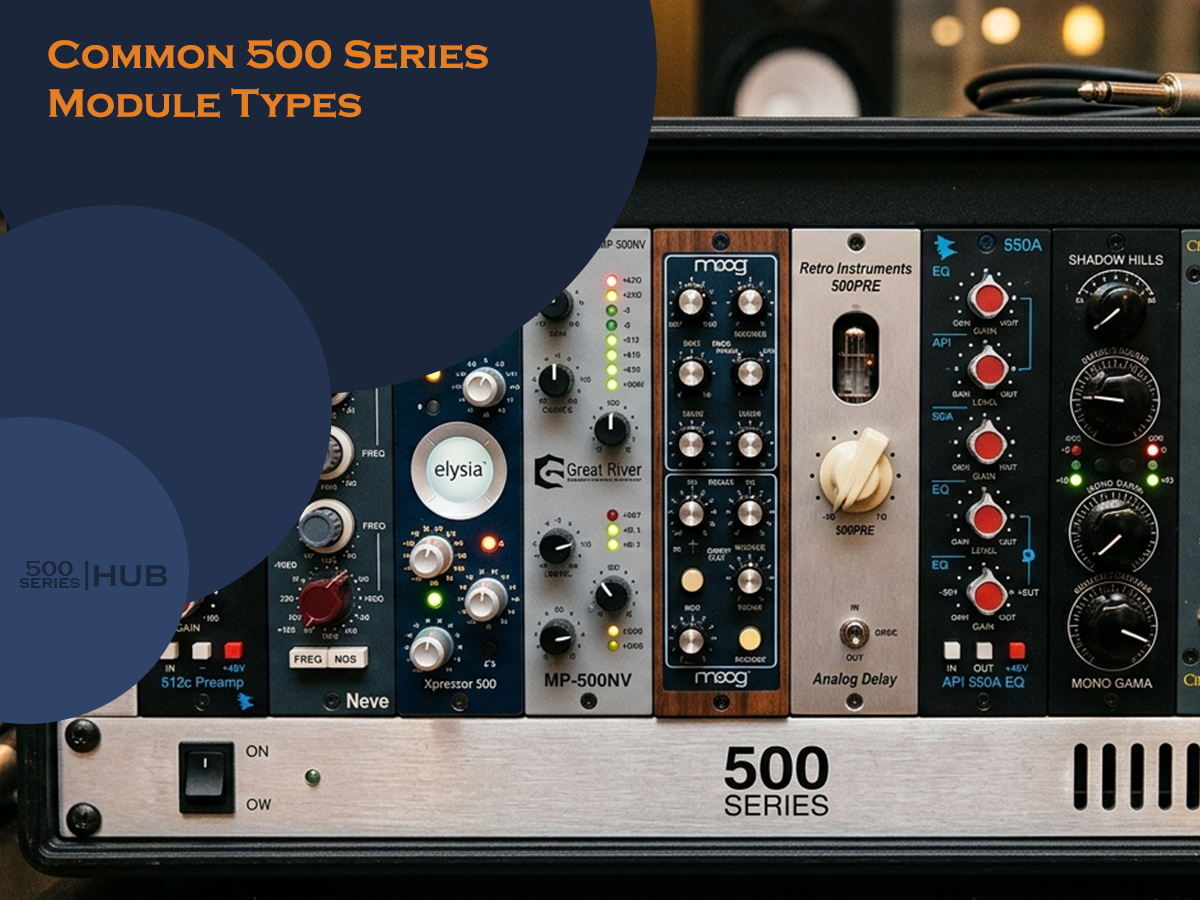
IntroductionWhile the big variety of 500 Series modules might seem overwhelming at first, we can break down the essentials to make smart decisions for our studio. Each module type: preamps, EQs, compressors, and effects serves a distinct purpose, from boosting signal clarity to shaping tone ...
READ MORE +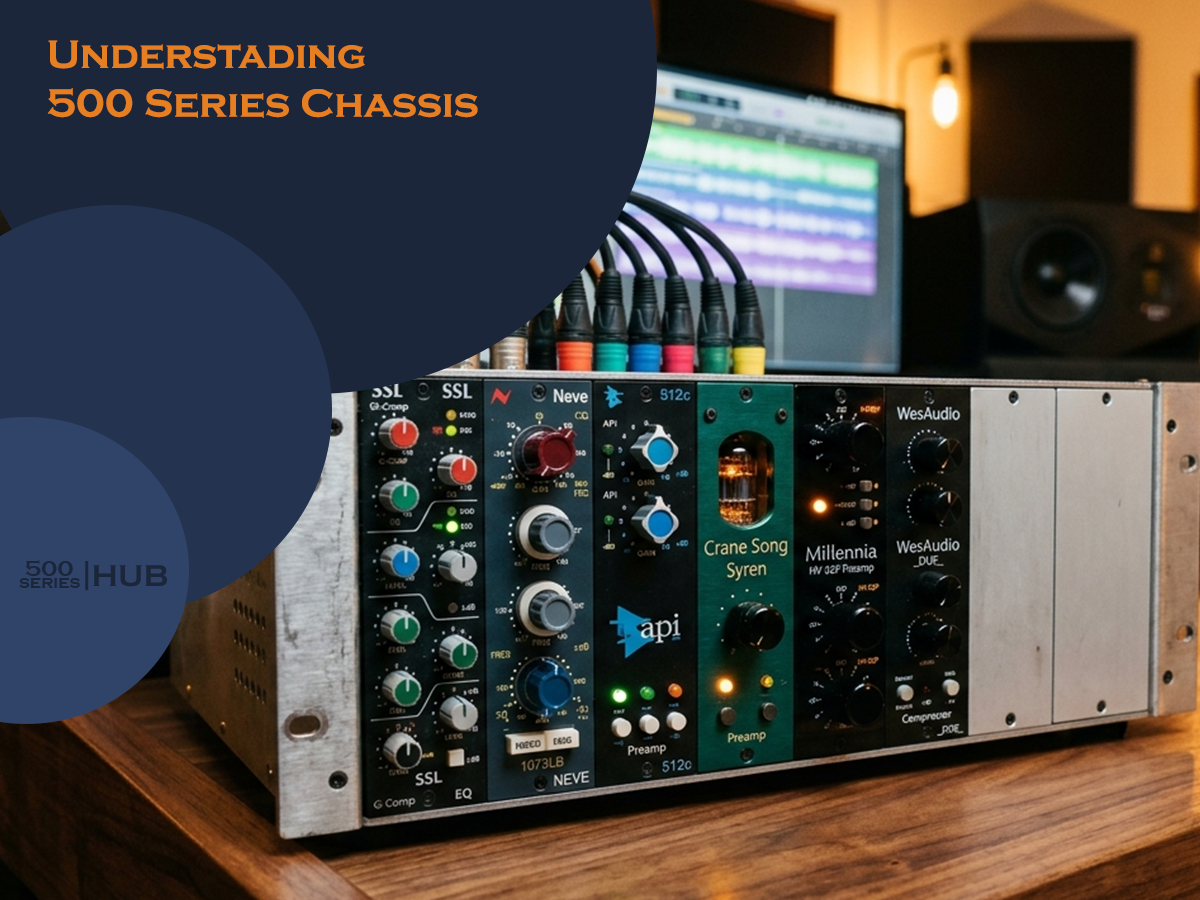
IntroductionWhen we set up a modern studio, the 500 Series chassis often becomes the backbone of our workflow. It’s more than just a rack; it lets us customize and expand our signal chain with preamps, EQs, and compressors that suit each project. In this article you will learn how to pick and ...
READ MORE +