Introduction
Exploring the world of 500 Series audio gear is like assembling a sonic toolkit, where each piece brings its own strengths and quirks. We find ourselves drawn to the balance of vintage character and modern flexibility these modules offer.
Yet, there are trade-offs; compact design can mean tighter controls and less room to experiment. Before deciding if this format fits our workflow, let’s weigh the pros and cons of 500 series audio!
Pros of Using 500 Series Audio Units
When we look at 500 Series audio units, we notice several clear advantages. They save space, cost less than full-rack gear, and let’s mix and match modules to suit our needs.
Plus, we get pro-level sound in a format that fits easily into our existing setups. Lets dive in more deeply in the pros.
Compact and Space-Efficient Design
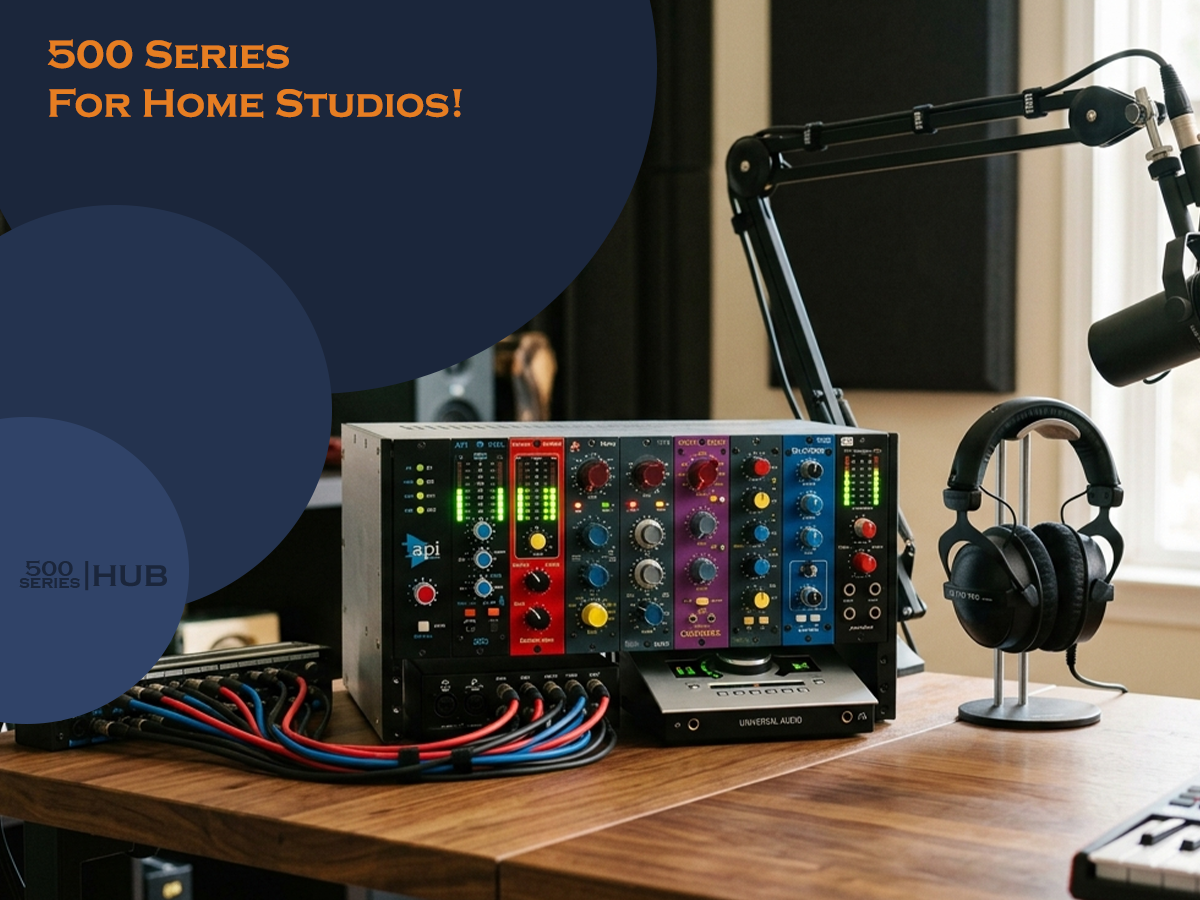
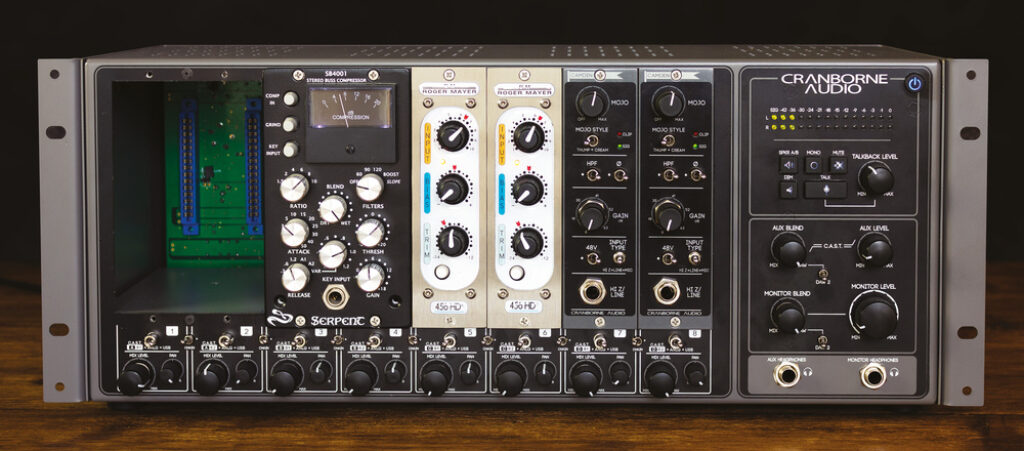
Because studio space is often at a premium, the compact and space-efficient design of 500 Series audio units stands out as a major advantage. We can maximize our creative setup without sacrificing essential real estate.
These modular units allow us to build versatile racks that blend seamlessly with both modern studios and those seeking a vintage aesthetic. Their small footprint encourages innovation, letting us experiment with new signal chains and swap modules quickly.
Aesthetic compatibility is another plus. Manufacturers offer user interface layouts, branding options, and custom finishes that enable us to create a unified, visually appealing workspace. Whether we’re aiming for classic hardware vibes or sleek modernity, the 500 Series format adjusts to our vision, enhancing both workflow and studio presentation without compromise.
Cost-Effective Compared to Full-Rack Gear
Alongside their space-saving benefits, 500 Series audio units also offer impressive cost savings compared to traditional full-rack gear. We can tap into the vintage resurgence and capture analog warmth without breaking the bank.
Many boutique brands now develop 500 Series modules, giving us affordable access to revered sound shaping tools that would otherwise cost considerably more in full-size formats. The lower price point doesn’t mean sacrificing quality. Many of these modules deliver the same circuitry and sonic character as their rackmount counterparts.
Plus, DIY customization becomes more accessible, allowing us to experiment with different flavors and tones while staying within budget. For innovators seeking premium analog sound at a reasonable cost, the 500 Series format presents a compelling, forward-thinking solution.
Modular Flexibility and Customization
While some formats lock us into fixed signal chains, the 500 Series excels at modular flexibility and customization. We’re free to handpick modules that deliver exactly the sound and functionality we want, whether we crave vintage character or cutting-edge innovation.
Mixing and matching brands allows us to prioritize brand reputation, ensuring each piece in our rack meets our standards for quality and sonic performance.
We can dial in studio aesthetics that inspire creativity, focusing on sleek design and intuitive user interface layouts. With aesthetic customization, every rack becomes a personal statement, visually and sonically.
Swapping modules as our needs or tastes evolve is simple, letting us stay ahead of trends and technology. Ultimately, the 500 Series enables us to create a bespoke audio toolkit tailored for our workflow.
Easy Integration with Existing Racks
Integrating 500 Series audio units into our existing racks is straightforward, making it easy to expand or upgrade our setup without hassle. We appreciate how these modules slot right in, allowing us to modernize our workflow with minimal downtime.
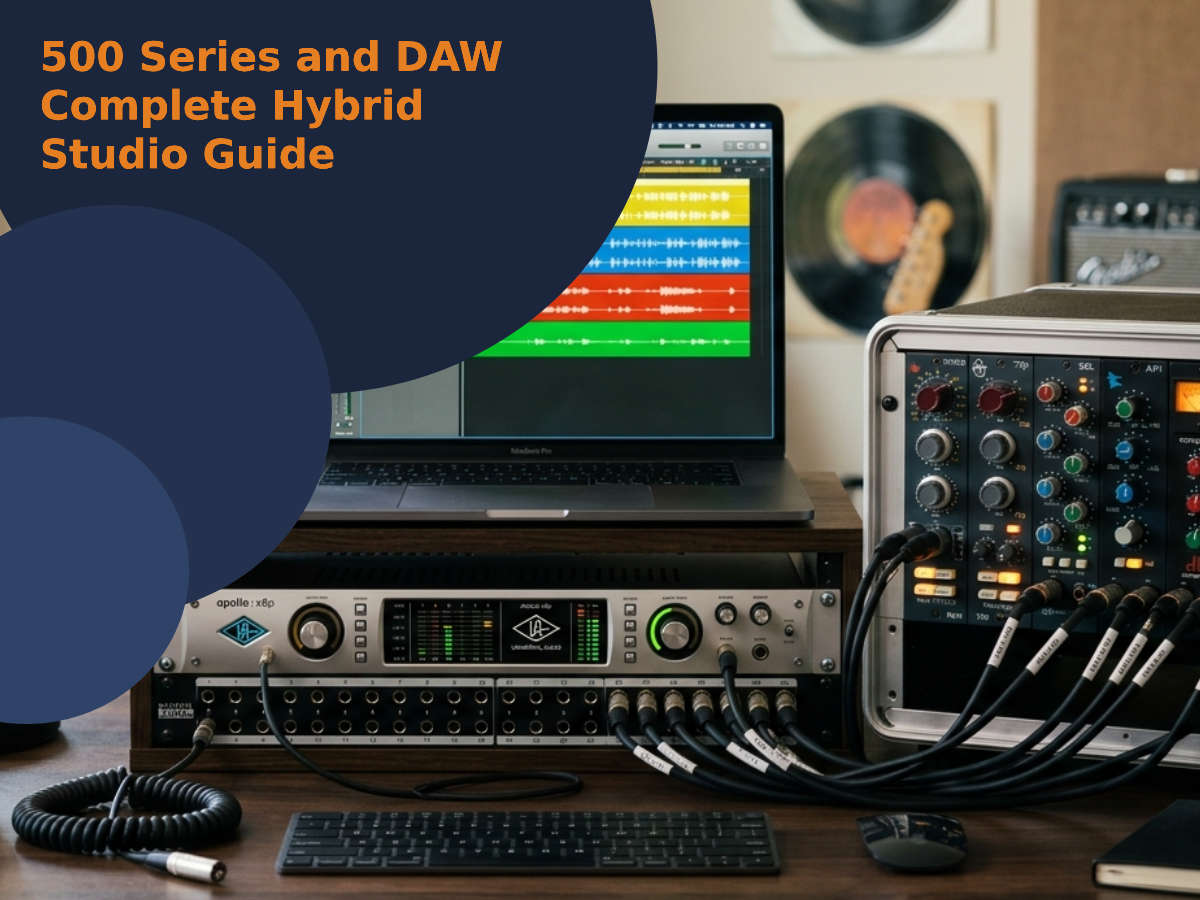
Many current 500 Series units support digital integration, so we can connect them seamlessly to our DAWs and other studio gear. With wireless connectivity, we’re not tied down by cables, and we gain the flexibility to control settings remotely.
Automated calibration ensures that each module operates at peak efficiency, saving us time during setup. Plus, regular software updates keep our gear current, accessing new features and maintaining compatibility with evolving studio technology.
This level of integration drives innovation in how we produce and manage audio.
High-Quality Sound Performance in a Small Format
Beyond seamless integration, the 500 Series stands out for delivering top-tier audio quality in an impressively compact form. We get access to vintage sound and analog warmth that rivals full-sized rack units, but without sacrificing essential studio space.
This innovation lets us shape our sonic identity with flexibility, blending classic tones and modern clarity. Custom branding and DIY customization further set the 500 Series apart. We can tailor our rigs to suit our specific workflow, whether we’re after a signature look or unique signal chains.
The aesthetic appeal of these modules isn’t just about looks, it’s about turning our workspaces into inspiring environments. With 500 Series, we achieve high-end audio performance and creative freedom, all neatly packed into a small, efficient footprint.
Portability for Mobile or Remote Recording
If you’ve ever needed to take your studio on the road, the 500 Series makes it remarkably easy. Its compact modules address critical weight considerations, letting us travel light without sacrificing performance.
Modern 500 Series racks often integrate wireless connectivity, enabling seamless control and file transfer even in remote locations.
Durability factors matter, too; rugged cases and robust construction withstand the rigors of travel, protecting our investment wherever we go.
When we’re on the move, an intuitive user interface ensures we can make quick adjustments on the fly, keeping creativity at the forefront. For mobile recording, the 500 Series is truly built for innovators.
Expanding Options Through a Growing Ecosystem
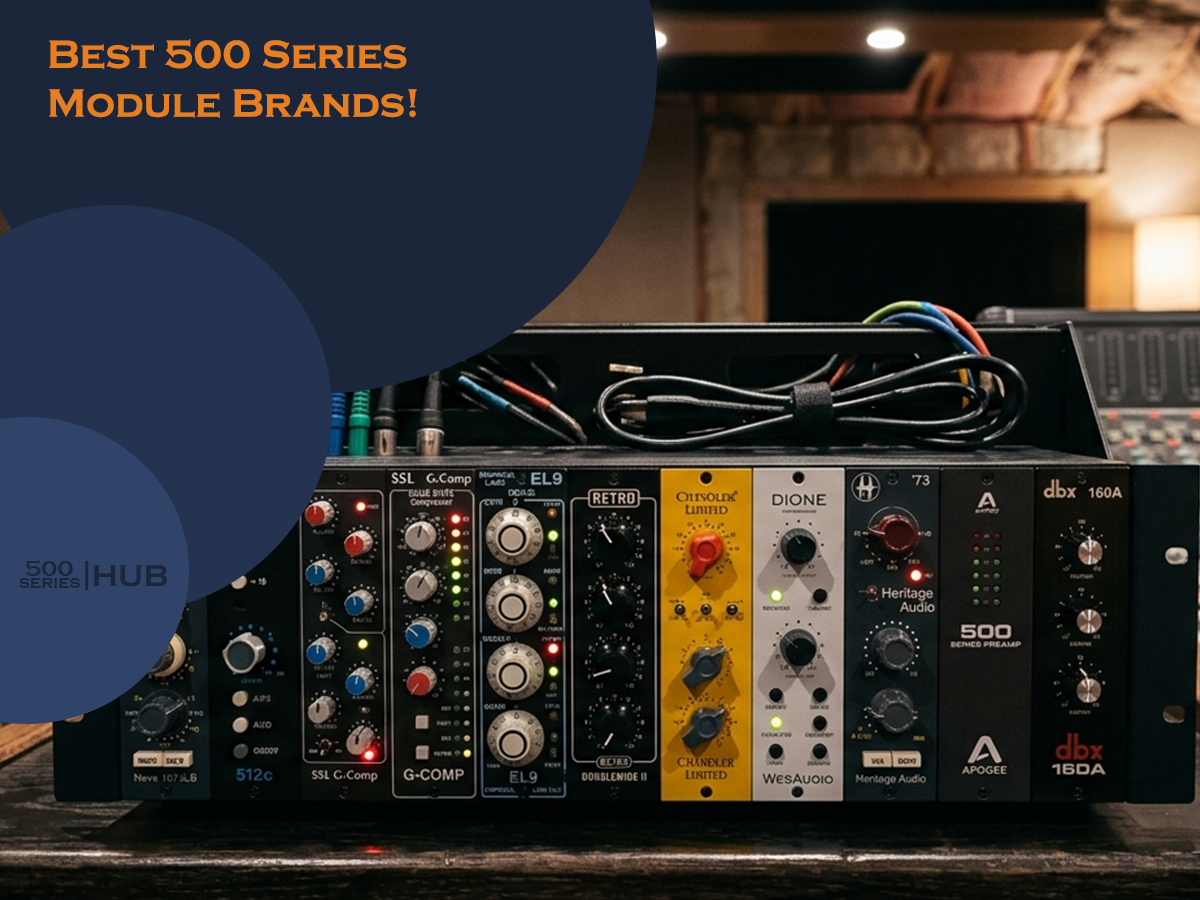
As the 500 Series ecosystem keeps expanding, we’re seeing an incredible range of modules from both established brands and boutique manufacturers. This manufacturer diversity fuels innovation, whether we’re looking for cutting-edge digital integration or classic vintage emulation, there’s a module for nearly every creative vision.
We can build highly customized signal chains, knowing that new upgrade pathways regularly appear as designers push technology forward. The rapid pace of development means that our gear evolves with our needs, not against them.
Plus, the thriving user community shares perspectives, reviews, and modifications, helping us make smarter choices and find hidden gems. With so many options and regular advancements, the 500 Series ecosystem enables us to experiment, adjust, and stay ahead in an ever-changing audio terrain.
Cons of Using 500 Series Audio Units
Now, let’s look at the downsides of using 500 Series audio units.
We need to take into account the upfront cost of a chassis, limited space for controls, and possible power or compatibility issues.
It’s also important to weigh heat management challenges and the fact that there are fewer standalone options compared to full-sized gear.
Initial Cost of the Chassis and Power Supply
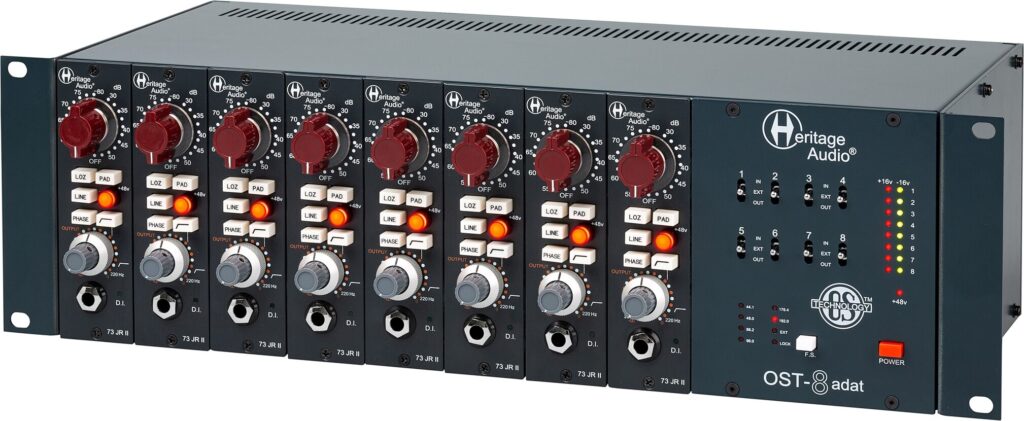
One major drawback of 500 Series audio gear is the upfront expense required for the chassis and power supply. When we conduct a cost comparison with standalone rack units, the initial investment for a quality 500 Series chassis can be a shock.
We need to factor this into our budget planning, especially if we’re just starting to build a modular setup. An affordability analysis quickly shows that the cost per module drops as we fill the chassis, but that first purchase can feel steep.
Plus, price fluctuations in the pro audio market mean we might pay more depending on when we buy. For innovators, it’s essential to weigh these costs against the long-term benefits, ensuring our investment aligns with both creative goals and financial realities.
Limited Space for Controls and Features
After considering the upfront cost of the chassis and power supply, we also need to look at how 500 Series modules pack a lot of circuitry into a compact space. This tight form factor can limit the control interface, making it harder for us to implement the detailed user customization that modern workflows demand.
While we crave innovative automation features and the convenience of remote access, the physical real estate just isn’t there for expansive controls or screens. As a result, manufacturers often need to simplify the interface, which can lead to increased interface intricacy; smaller knobs, multi-function switches, or menus that aren’t as intuitive.
For those of us focused on pushing boundaries, these constraints can be frustrating when we want maximum flexibility and seamless integration.
Potential Power and Compatibility Issues
Although 500 Series gear promises modularity and space-saving benefits, power and compatibility issues can quickly complicate our setups. We must consider power supply stability; if our chassis can’t deliver consistent juice, modules may underperform or behave unpredictably.
Voltage compatibility is another hurdle; not all racks and modules are designed with universal standards, leading to mismatched units that simply won’t power up. When we combine high-power modules, the resulting power draw can push a rack’s limits, increasing overload risks and even damaging gear.
Let’s not overlook signal interference, either. With multiple modules drawing from a shared power source, noise and crosstalk can creep in, degrading our audio quality.
To innovate confidently, we need to evaluate power and compatibility before expanding our 500 Series lineup.
Heat Management and Rack Density Concerns
When we cram multiple modules into a single 500 Series rack, heat buildup quickly becomes a real issue. With so many high-performance units packed tightly together, thermal dissipation becomes a challenge that demands our attention. Without proper airflow optimization, the modules are prone to overheating, which can compromise both performance and longevity.
If we neglect rack ventilation, we risk inconsistent temperature regulation, especially during intense sessions or in compact studio spaces. To innovate effectively, we must design our setups with thermal management in mind. Custom fan solutions, open-back racks, or even spacing out our modules can help maintain optimal airflow.
Fewer Standalone Options Compared to Full Units
Because 500 Series modules are designed to fit a standardized rack format, we don’t see as many standalone options as we do with traditional full-sized rack units. This limitation can affect our workflow and adaptability, especially when we’re passionate about innovation and customization.
Let’s break down what this means for us:
1. Brand compatibility can become an issue, since not every manufacturer supports the 500 Series format, narrowing our choices.
2. Upgrade options are often dictated by the modules available for the chassis, not the full spectrum of outboard gear.
3. Installation intricacy increases, as we need to manage multiple modules and chassis, rather than simple plug-and-play units.
4. Warranty coverage and resale value may differ, with 500 Series modules sometimes offering less protection and lower resale appeal than full units.
Can Be Less Intuitive for Beginners
Even with the appeal of flexibility and compactness, we often find that 500 Series audio units aren’t the most beginner-friendly option. The beginners’ learning curve can be especially steep because the user interface intricacy often demands prior experience.
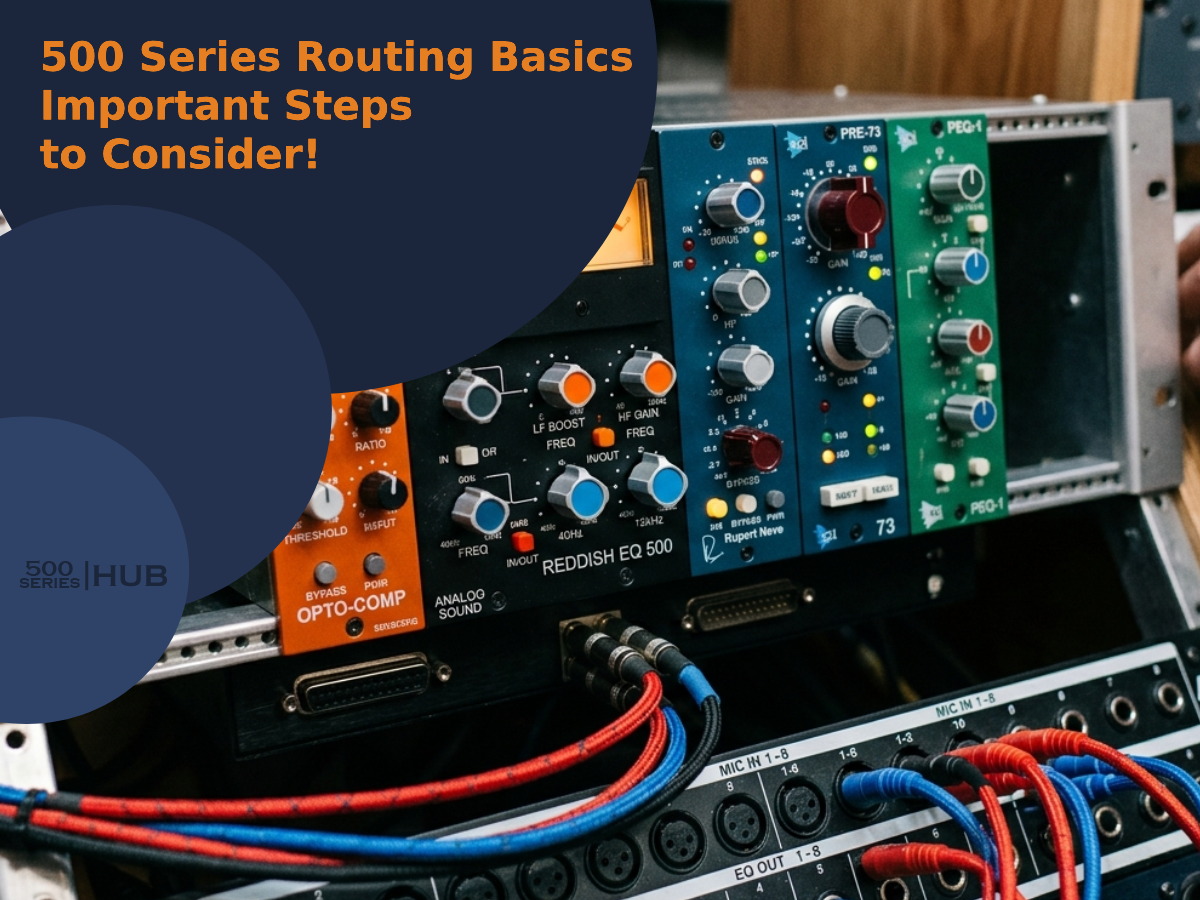
Unlike all-in-one devices, these modules rarely offer the plug-and-play simplicity that many newcomers expect. Initial setup challenges, like matching modules to a compatible chassis or handling unexpected setup troubleshooting can quickly become overwhelming.
We notice that intuitive operation issues crop up too, as controls and layouts vary considerably between brands and modules. For those of us enthusiastic to innovate, these hurdles can slow down the creative process.
It’s worth considering whether the time spent learning outweighs the immediate benefits, especially at the start of our audio journey.
Ongoing Temptation to Keep Buying Modules
Although the modular nature of the 500 Series is a big part of its appeal, it also creates a constant urge to expand. We find ourselves continually eyeing new modules, each one promising unique sonic possibilities or boasting vintage appeal.
There’s a collector’s value to rare modules that can make resisting the next purchase a real challenge. The aesthetic charm of a fully loaded rack, combined with the hunt for out-of-production units, fuels our desire for the next addition.
Consider these temptations:
1. Tracking down rare modules with legendary status.
2. Assembling racks with unmatched aesthetic charm and visual cohesion.
3. Chasing the sentimental attachment of owning classic gear.
4. Building a collection with future collector’s value in mind.
It’s a slippery slope, but undeniably exciting for innovators.
Conclusion
As we weigh the pros and cons of 500 Series audio units, we find ourselves on the edge of an exciting decision. Their compact power, flexibility, and sonic charm are hard to resist, yet the quirks and learning curve keep us on our toes.
Will you embrace the modular adventure and shape your sound, or will the challenges hold you back? The choice is yours, and the journey into the 500 Series world is just beginning.
Related Articles
- 500 Series Audio: Pro Audio Equipment for Every Home Studio!
- History of 500 Series Format: How 500 Series Modules Came!
- Anatomy of 500 Series Module: Inside the Design!
- Understanding 500 Series Chassis: A Complete Guide
- Common 500 Series Module Types: Big Buying Guide!
- 500 Series for Home Studio: Big Tips, Workflow and Setup!